How to Build a High-Fiber Meal Plan: 30 Grams/Day (Plus Free Printables to Get You Started)
Fiber is finally back in the spotlight, as it should be. In recent years, it has been overshadowed by diet trends, especially protein. While everyone has been hyper-focused on hitting their daily protein goals, fiber has quietly taken a back seat.
Don’t get me wrong: I am a big fan of protein, and it was the first real change that helped me start losing weight after 40, but when my weight loss eventually stalled, increasing fiber was the missing piece that finally moved the needle on the scale. Whether you are mapping out a new year reset or simply focusing on your daily health goals, fiber is one of the best places to start!
Most of us know we should be eating more fiber, but the thought of yet another strict food rule is discouraging before we even start. That is why I don’t believe in rigid, complicated meal plans you quit after three days. Instead, the secret to building a high-fiber meal plan you actually stick to is keeping it simple. Increasing your fiber intake is truly one of the easiest ways to improve your overall health and wellness, and the rewards far outweigh the effort.
If you want to increase your fiber intake without feeling overwhelmed, I’ll show you my simple process for working fiber into our meals, along with the go-to foods I keep on hand that easily fit into our meal plans.
New to this series? Don’t miss part one, A Fiber Rich Diet: The Secret to Better Health, where I share how eating more fiber healed my gut and dropped my cholesterol by 70 points, plus the basics of how fiber works in the body.
Simple 3-Step High-Fiber Meal Plan Formula
Instead of stressing over complicated recipes or tracking every bite, build your week around a few staple ingredients you actually enjoy. Here is the exact three-step routine I follow every week.
- Step 1: Choose six easy fiber sources from the list below each week.
- If you don’t already have them, add them to your weekly shopping list.
- If you don’t already have them, add them to your weekly shopping list.
- Step 2: Add one or two of those ingredients to your meal plan.
- This doesn’t have to be a rigid meal plan. Just plan a few simple meals that incorporate the ingredients from step one.
- This doesn’t have to be a rigid meal plan. Just plan a few simple meals that incorporate the ingredients from step one.
- Step 3: Keep grab-and-go snacks on hand to fill in the gaps.
- Dried edamame are my go-to! I’ll share more ideas below.
It really is that simple, and you can easily adjust your portions to get as much fiber as you want. You don’t need a rigid spreadsheet or a fridge full of food you don’t like to make this work. Here is what putting those three steps into action actually looks like on a normal day in my house.
What a Day on This Meal Plan Actually Looks Like

To show you how effortless this is, here is how I easily hit 40 to 50 grams of fiber in a normal day without cooking a separate “diet” meal:
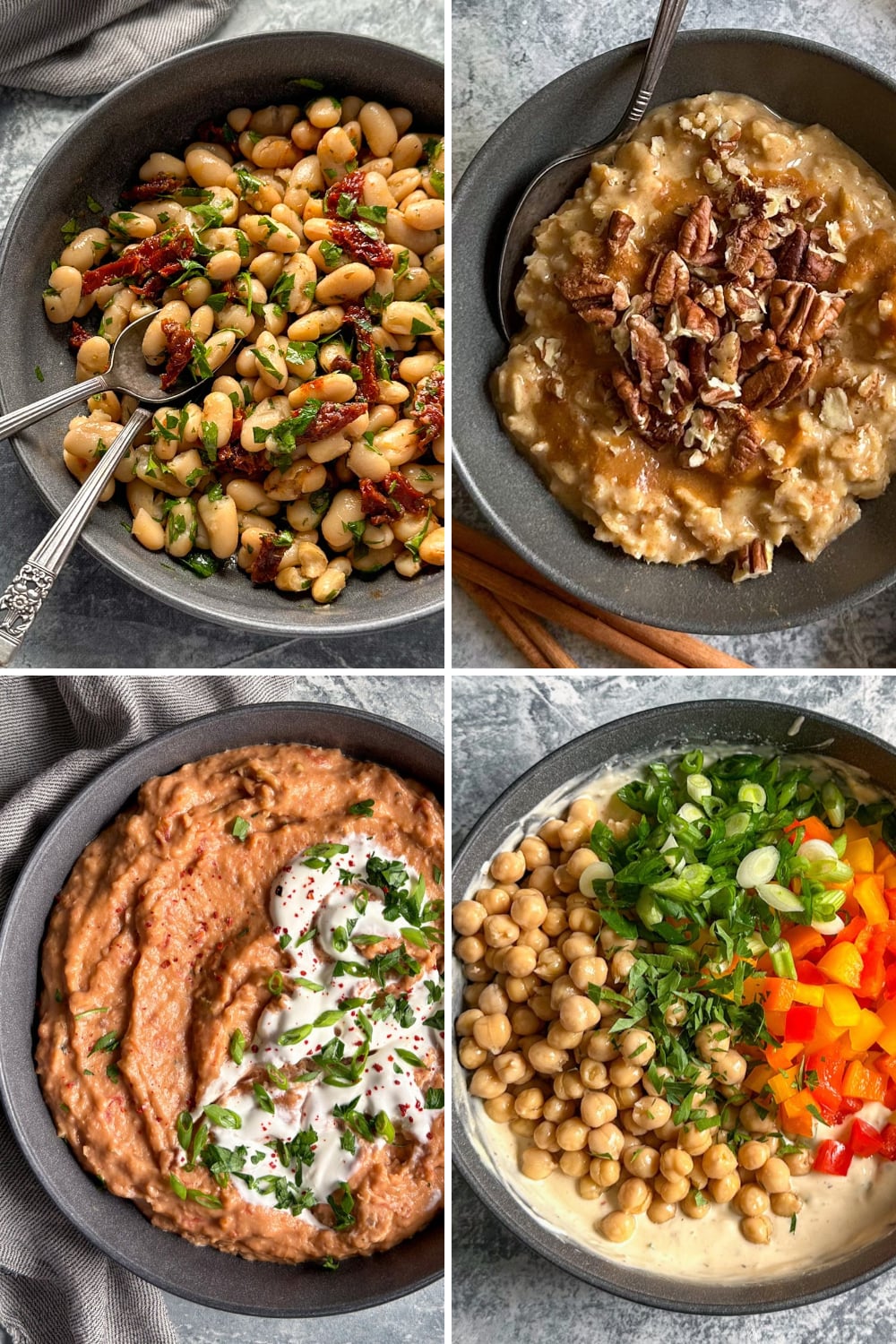
- Breakfast: A high-protein yogurt parfait with chia seeds and thawed raspberries, or a warm bowl of oatmeal topped with pecans and hemp seeds.
- Lunch: A quick Mediterranean white bean salad or a creamy chickpea salad bowl, paired with a side of high-fiber crackers, or homemade refried bean dip and chips.
- Afternoon Snack: A small bowl of crunchy dried edamame, or popcorn tossed with nutritional yeast.
- Dinner: Add a serving or two of high-fiber produce to whatever you’re having for dinner. My go-tos are frozen peas, broccoli, or edamame, all of which deliver around 5 grams per cup. We’ve been making this simple curry on repeat lately, which has 9 grams of fiber per serving.
You are simply building your weekly meal plan around high-fiber staples.
Quick Sources of Fiber for Easy, Nutritious Meals
The easiest way to stick to high-fiber meal prep is to rely on ingredients you can sprinkle on top of your food, stir in, or eat on the side. You will not need to get out a knife or cook anything. I do not count rinsing your produce as prep, just so we are clear!
- Chia and flax seeds. Stir chia seeds into your yogurt with some protein powder for a high-protein, high-fiber parfait. You can also sprinkle flaxseed on top of yogurt bowls, oatmeal, protein bowls, and high-fiber salads. Again, do not overthink it. Just toss them on and mix it all up.
- Nuts and seeds. Some nuts and seeds are higher in fiber than others. I keep almonds, pistachios, and pumpkin seeds on hand because they’re fiber sources I genuinely love. Read labels at the grocery store to choose the ones you like that are higher in fiber.
- Frozen produce. Frozen produce is prepped and ready to go. Frozen peas, edamame, artichokes, greens, Brussels sprouts, raspberries, and blackberries make building fiber-rich meals effortless.
To quickly thaw edamame and peas, run them under hot water until warmed through. For frozen berries, pop them in the microwave on the defrost setting for about 20 seconds to keep them from getting mushy, or put them in a bowl in the fridge the night before.
- Avocados. This might be the most underrated ingredient on the list. Avocados are a nutritional powerhouse, and each medium avocado delivers about 8 grams of fiber, plus healthy fats, vitamins, and minerals. Scoop out the middle and spread it on high-fiber toast, add it to any protein bowl, or eat it as a snack with a little salt.
- Psyllium husk. I am never without a bag of psyllium husk. When all else fails, and I know I am short on my fiber for the day, I add a teaspoon or two to my shaker bottle with water and electrolyte powder, shake it up, and drink it right away. Do not let it sit, or it will get too thick.
- You can also whisk it into smoothies, yogurt bowls, and oatmeal. Add a little at a time and let it sit for a minute to thicken. Blending it into smoothies works especially well because it eliminates any clumping while still giving you that quick fiber boost.
- Canned beans and legumes. Anyone prioritizing easy, nutritious meals should keep a variety of canned beans, lentils, and artichoke hearts in the pantry. Not all brands are created equal, so check the labels and choose the ones with the highest fiber.
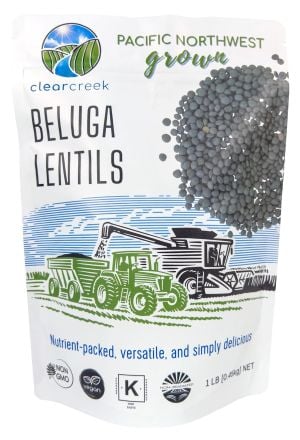
Black Lentils: Your Fiber BFF
When it comes to beans and legumes, I didn’t even know what Black Beluga Lentils were until a few months ago. These babies deliver 11 grams of fiber per serving, so I’ve been making them on repeat. Toss them into quick salads or add a serving to whatever you’re eating!
Grab and Go High-Fiber Snacks
Sometimes, you don’t have time to prep anything. Adding the right snacks into your high-fiber meal plan is the easiest way to close any fiber gaps in your day. Throw them in your purse, pack them in your kids’ lunches, or pack them in your suitcase to stay on track while traveling!
- Dried edamame and chickpeas. These are some of my daily staples. In fact, I eat a serving and a half of these dried edamame every single day. It is an easy 9 grams of fiber, and it feels like real snacking.
- Popcorn. Depending on the brand, each cup delivers about 2 grams of fiber. Who eats just one cup of popcorn? My husband and I can polish off a whole bag without even trying. Just watch out for heavily flavored varieties where the calories add up fast.
- Add nutritional yeast. One serving is two tablespoons and has 3 grams of fiber, which is a lot for a topping. Drizzle the popcorn with butter or your favorite oil spray, then toss with a generous amount of nutritional yeast. Now you’ve got a super-high-fiber snack.
- High-fiber convenience foods. High-fiber crackers, bars, bread, pasta, and tortillas make it easy to hit your goals; just read the labels. We always keep these bars on hand. Each one delivers 9 grams of fiber, and they actually taste good. You can cut up high-fiber tortillas and bake them into your own chips, or use high-fiber pasta in any pasta recipe. That’s what I use in my orzo chicken pasta salad, and my husband literally asks for it.
- Berries. Raspberries and blackberries deliver 7 to 9 grams of fiber per serving, and they’re easy to pack on the go. A medium-sized pear or apple has around 5 grams of fiber.
Some convenience foods cost more, but there are ways to save. The easiest is to shop sales. I wait for our favorites to go buy-one-get-one-free at Publix, and I stock up. For more tips, I shared some of my favorite ways to save money on food at home in this post.
Before You Start: Two Rules for Success
I’m a go-all-in kind of girl, but that is not what you want to do when you start increasing your daily fiber intake. If you do, you could experience some pretty miserable side effects, with severe constipation being the main one. Keep these two rules in mind as you build your high-fiber meal plan.
- Go slow. It took me months to get to the point where I could comfortably eat 40 to 50 grams of fiber a day. Start with 20 to 25 grams of fiber a day and work your way up gradually.
- Drink plenty of fluids. There are two types of fiber, and I covered them in detail in my first post in this series. Soluble fiber absorbs moisture in your digestive tract. Without enough fluids, it can get very dry, and that’s when problems start.
- Insoluble fiber stays mostly intact and acts like a broom inside your intestines, sweeping everything along. Think of water like the dustpan for that broom. Without enough fluids, both types can leave you severely constipated.
- I cannot tell you exactly how much water to drink because lifestyle plays a big part. If you are working out, sweating, or drinking diuretics like coffee and alcohol, you will need more. I drink at least 100 ounces of water a day, starting every morning with 28 ounces of warm water, a scoop of electrolytes, and some psyllium, too. Hot tea and virtually any caffeine-free, low-sugar beverage will also help keep you hydrated.
Shop My High-Fiber Meal Plan Staples

Building a high-fiber meal plan is so much easier when your pantry is already stocked with the right basics. Because not all brands pack the same amount of fiber, I put together a quick list of the exact products I keep on hand every single week.
- Canned Beans: Keeping a variety of canned beans on hand lets you enjoy them in salads, chili, soups, and curry. Simple bean salads, like the cannellini bean salad shown above, take 10 minutes to make; they’re easy to customize and delicious!
- My Go-To Psyllium Husk: I never let myself run out of this! It is the easiest way to close a fiber gap at the end of the day in a smoothie or shaker bottle.
- IQBAR Protein Bars: These are a staple for busy days because they pack 7 to 9 grams of fiber and have clean ingredients. The Peanut Butter Chip flavor is our absolute favorite!
- The Best High-Fiber Tortillas: These have clean ingredients, taste amazing, and make quick wraps or homemade chips effortless.
- Crunchy Dried Edamame: My favorite afternoon snack, delivering 6 grams of fiber with zero prep.
- Organic Chia Seeds and Flax Seeds: I keep these in jars on my counter so I can sprinkle them onto yogurt, oatmeal, and salads without even thinking about it.
- My Favorite Electrolytes: Why electrolytes? A high-fiber meal plan only works if you stay hydrated. I work out every day, so sweat often depletes my electrolytes. I like to start my day with 28 ounces of warm water mixed with a scoop of electrolytes and a teaspoon of psyllium. These have a better potassium-to-sodium ratio than most electrolyte powders, which are loaded with sodium.
- Shaker Bottle: Handy for mixing electrolytes or quickly shaking together water and psyllium husk, which tends to clump, so you’ll need that little shaker ball to break it up.
Grab Your Free High-Fiber Meal Plan Printables
To make your weekly planning and shopping even easier, I created two free printables for you!
- The first is a full list of high-fiber foods you can stick on your refrigerator for when you are drawing a blank. Chances are, you already have a few of these items in your freezer or pantry.
- The second is a blank shopping list to help you build your high-fiber meal plan each week. Before you head to the store, pick your five or six fiber staples for the week, write them at the top, and use the rest of the space for your regular groceries!
I hope this post helps! If you have any tips for getting more fiber or recipes you’d like to share, I always love hearing from you all in the comments below, and it helps others! Thank you in advance! ❤️