A Fiber Rich Diet Is the Secret to Better Health
A fiber-rich diet changed everything for me. From lowering my cholesterol to improving my gut health, I was shocked by how a few simple changes made such a difference. If you’ve ever looked for ways to increase your fiber intake, it’s overwhelming, to say the least. Today, I’m sharing the simple things I did to reach my goals!
Protein gets most of the spotlight, and while I’m absolutely a fan, fiber plays a powerful role in heart health, weight management, and long-term wellness, and it deserves some credit, too. I knew fiber mattered, but I didn’t prioritize it until I was forced to.
Easy high fiber recipes like my creamy chickpea and veggie salad and pasta salads loaded with protein and fiber were on regular rotation and are just as delicious as they are nutritious. To make it simple, choose a few of these quick, high-fiber recipes and incorporate them into your weekly meal prep!
After dealing with severe digestive issues post-gallbladder removal, I learned firsthand how fiber can improve digestion, support gut health, and even help with blood sugar control and cholesterol. A fiber rich diet became a health necessity, and I learned a lot – quickly!
Here’s the good news: eating more fiber doesn’t require complicated rules or drastic changes. With simple and practical changes, it’s easier than you may think. My plan included easy, high-fiber meals and supplements. I kept it uncomplicated and straightforward and still reached my goals. In this post, I’ll share exactly what worked, why fiber is so powerful, and how you can start benefiting from it right away!
Be sure to grab your free list of high fiber foods at the bottom of this post!
Fiber Rich Diet
I’ve always known fiber was necessary, but I never truly prioritized it—not because I don’t care about my health, but because it felt like one more thing to manage. About a year ago, I was diagnosed with gastritis caused by bile backing up into my stomach, a side effect of having my gallbladder removed, and the mountain of medications I was taking while going through treatment for tonsil cancer. Bile is highly damaging to the stomach lining. , so I went on a deep dive trying to figure out how to get it out of my stomach. Instead of masking the issue with medication, I focused on finding the root cause and treating it, with my doctor’s approval. The answer? Fiber.
Bile binds to fiber and is carried out of the body, which helps lower cholesterol. I committed to a fiber-rich diet and added a daily fiber supplement. My goal was 10 grams of psyllium fiber a day. It took about a month to work my way up to that while also incorporating high-fiber foods. Three months later, my stomach had healed, the bile was gone, and my cholesterol dropped by 70 points. I wanted to share my story because fiber didn’t just “help”—it healed me.
What Does Fiber Do For The Body
I’m obviously not a doctor, and most of this information can be found online. I won’t spend too much time here because what I really want to show you is how easy it is to eat a fiber-rich diet with the right foods and a simple plan. Prioritizing fiber can have a profound positive impact on your overall health.
- Supports Healthy Digestion
A fiber rich diet keeps digestion moving smoothly and helps prevent constipation. - Feeds a Healthy Gut Microbiome
Fiber nourishes beneficial gut bacteria that support digestion and immune health. - Helps Lower Cholesterol
Soluble fiber binds to cholesterol in digestion, helping lower LDL levels over time. - Stabilizes Blood Sugar
Fiber slows carb absorption, helping prevent blood sugar spikes and crashes. - Promotes Satiety
A fiber rich diet helps you feel full longer, reducing overeating and snacking. - Aids in Weight Management
High-fiber foods are filling and lower in calories, supporting long-term weight control. - Supports Heart Health
Fiber helps reduce inflammation and promotes healthy cholesterol levels. - Encourages Regularity and Colon Health
Fiber supports regular bowel movements and long-term colon health. - Improves Energy Levels
A fiber rich diet helps maintain steady energy without sudden crashes. - Supports Long-Term Metabolic Health
Fiber supports insulin sensitivity and overall metabolic health as you age.
The beauty of fiber is that it’s a relatively harmless way to improve your health. Having said that, if you’re dealing with chronic issues or are on medications, you should always ask your doctor.
Great Sources Of Fiber
When I committed to eating more fiber, I taped the list at the bottom of this post to my refrigerator so I saw it every day. As part of my weekly ingredient prep, I included a few of those high-fiber foods. Since most of these ingredients are affordable, preparing quick, budget-friendly meals made it easy for me to hit my goals. Bonus. Many of these are also high in protein!
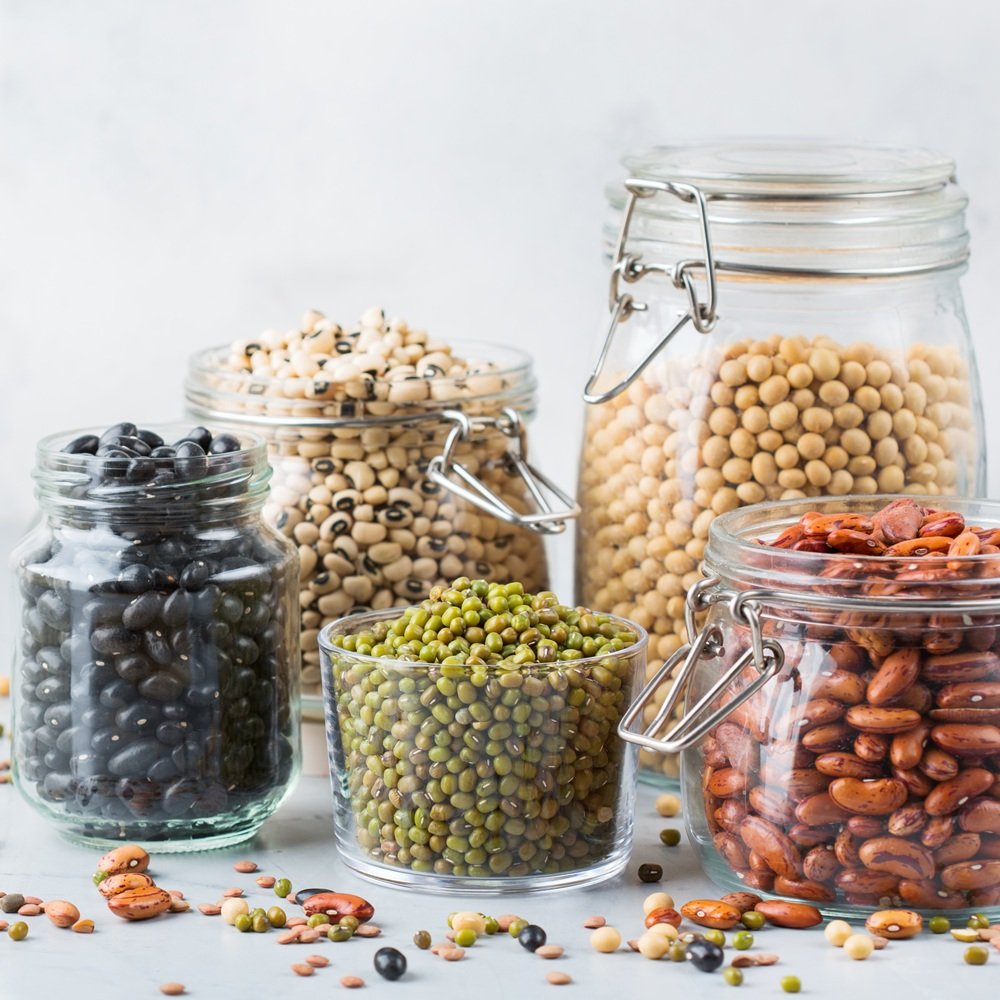
- Lentils (cooked) – 1 cup – Soluble: 7 g | Insoluble: 8 g – Link Here
- Black beans (cooked) – 1 cup – Soluble: 5 g | Insoluble: 10 g – Link Here
- Chickpeas (cooked) – 1 cup – Soluble: 4 g | Insoluble: 8 g – Link Here
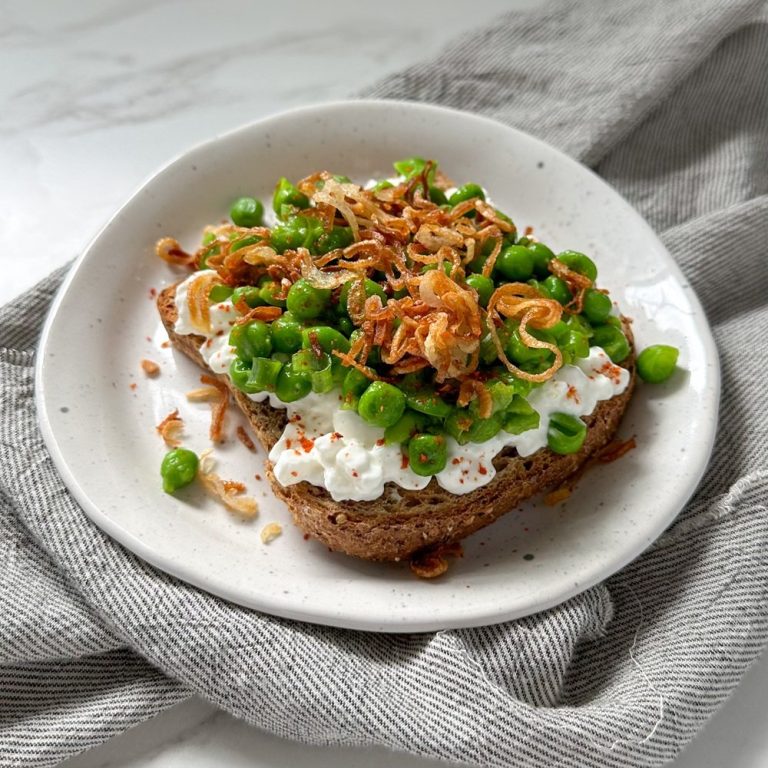
- Green peas (cooked) – 1 cup – Soluble: 4 g | Insoluble: 5 g
- Barley (cooked) – 1 cup – Soluble: 6 g | Insoluble: 4 g
- Oats (cooked) – 1 cup – Soluble: 3 g | Insoluble: 1 g – Link Here
- Chia seeds – 2 tbsp – Soluble: 4 g | Insoluble: 6 g – Link Here
- Flaxseed (ground) – 2 tbsp – Soluble: 3 g | Insoluble: 5 g – Link Here
- Almonds – ¼ cup – Soluble: 1 g | Insoluble: 3 g
- Artichoke (cooked) – 1 medium – Soluble: 4 g | Insoluble: 6 g
- Broccoli (cooked) – 1 cup – Soluble: 2 g | Insoluble: 3 g
- Sweet potato (with skin) – 1 medium – Soluble: 2 g | Insoluble: 4 g
- Carrots (cooked) – 1 cup – Soluble: 2 g | Insoluble: 3 g
- Raspberries – 1 cup – Soluble: 3 g | Insoluble: 5 g
- Pear (with skin) – 1 medium – Soluble: 3 g | Insoluble: 3 g
- Avocado – ½ fruit – Soluble: 2 g | Insoluble: 5 g
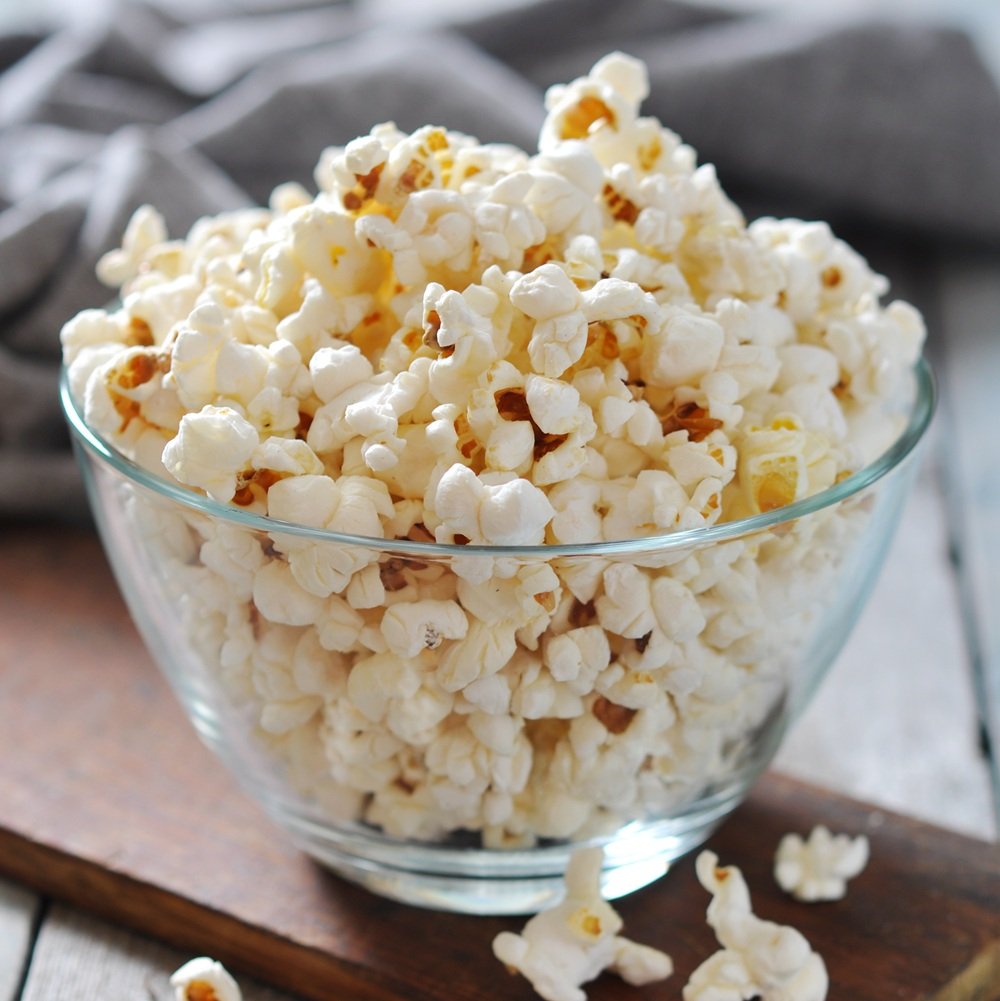
- Popcorn (air-popped) – 3 cups – Soluble: 0.5 g | Insoluble: 3 g – Link Here
- Chickpea pasta (cooked) – 1 cup – Soluble: 3 g | Insoluble: 5 g – Link Here
- Coconut (unsweetened flakes) – ¼ cup – Soluble: 1 g | Insoluble: 4 g – Link Tree
You don’t need every food on the list at once. Pick three or four each week and keep them ready to use. Simple combinations—like black beans, sweet potato, and avocado—work in tons of meals. I also have a post on budget meal planning if you need ideas.
Supplements For A Fiber Rich Diet
Lastly, let’s talk fiber supplements. They can help bridge the gap when dietary fiber intake is low, but the choices can be overwhelming. Let’s break down the main types of over-the-counter fiber supplements so you can choose what works best for you.
- Soluble fibers, such as psyllium and inulin, absorb water and form a gel in the digestive tract. Psyllium is a soluble fiber and has been shown to support regularity and lower LDL cholesterol by binding bile acids, while inulin is a prebiotic that promotes beneficial gut bacteria. Non-fermentable soluble fibers, like methylcellulose, provide stool support with less gas production, making them suitable for sensitive individuals.
- Insoluble fibers, including cellulose, increase stool bulk and promote regular bowel movements but have minimal impact on cholesterol or blood sugar.
Choosing the right fiber supplement depends on your health goals and digestive tolerance.
- Psyllium Fiber
- Type: Soluble, gel-forming
- Best For: Regularity + cholesterol
- Watch For: Needs lots of water
- Inulin Fiber
- Type: Soluble, prebiotic
- Best For: Gut bacteria support
- Watch For: Gas if increased too fast
- Methylcellulose Fiber
- Type: Soluble, non-fermentable
- Best For: Sensitive digestion
- Watch For: No prebiotic benefit
- Cellulose / Wheat Dextrin
- Type: Insoluble or mixed
- Best For: Stool bulk, regularity
- Watch For: Less impact on cholesterol
Always increase fiber slowly and drink enough fluids to reduce digestive discomfort.
Final Thoughts
- The biggest tip? Keep it simple. Choose a few foods, buy them weekly, prep them so they’re ready to go. If prepping feels overwhelming, frozen vegetables are a great option—they’re already done for you.
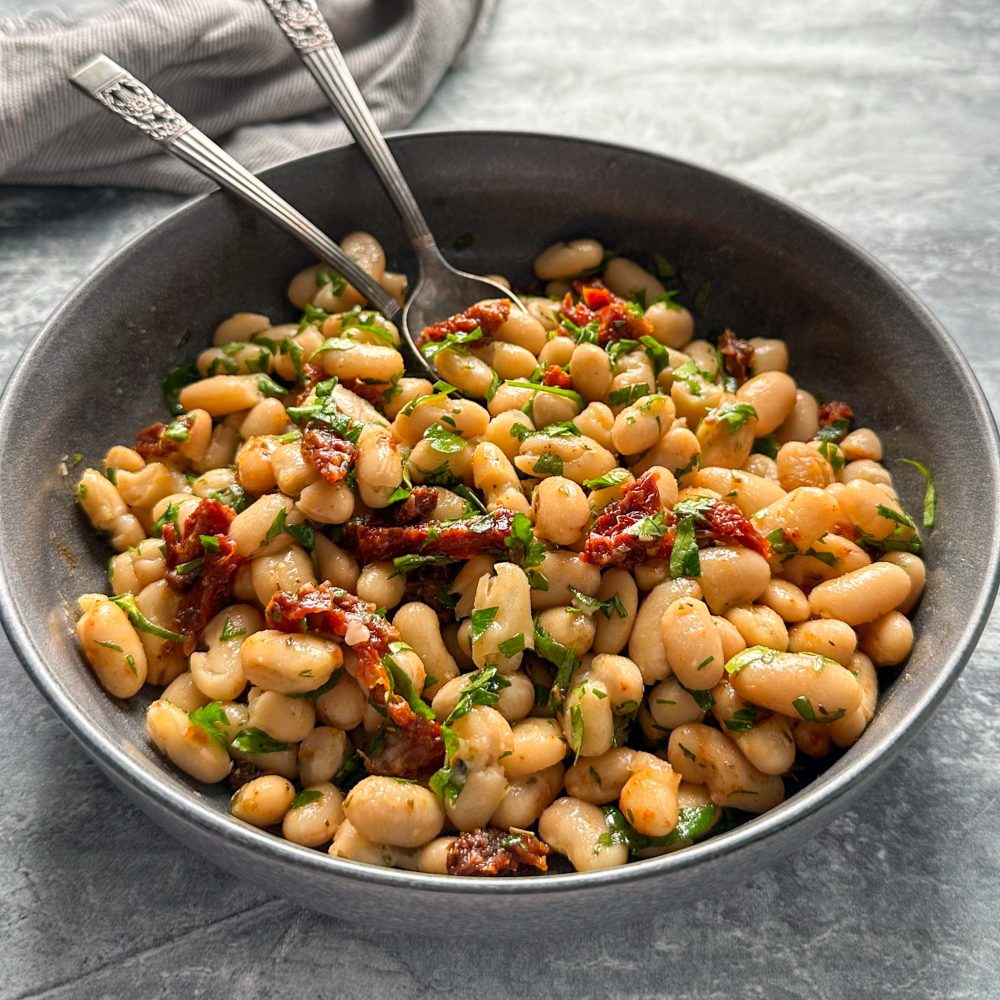
- Keep an easy high fiber salad in your fridge for quick snacks or to have with a meal. You’ll love my Italian cannellini bean salad. It only requires a few ingredients and is absolutely addictive!
- Give yourself grace. Do what you can when you can. The more stringent a schedule I give myself, the more I fail. Instead, I keep the house full of easy, high fiber choices from the examles above and incorporate as many as I can. You don’t have to be perfect every single day.
Free Printable High Fiber Foods List
If you’ve been wanting to start a fiber-rich diet, I hope this post has encouraged you and helps you hit your goals. Please leave a comment or email me here if you have any questions. I’m always happy to help!