How To Fall Asleep Faster (and stay asleep)
If you do a quick internet search for tips on how to fall asleep faster, you’ll find a lot of the same advice. As someone who has struggled with sleep for years, I wanted to share a few strategies that have genuinely helped me, which you may not have seen before.
Insomnia can stem from many different causes, from hormone imbalances and insulin resistance to everyday habits like late-afternoon caffeine or an evening glass of wine. And sometimes, despite doing everything “right,” falling asleep or staying asleep can still feel impossible.
Poor sleep affects so much more than your energy levels. It can contribute to weight gain, fatigue, irritability, low libido, and countless other health issues. The truth is, getting quality sleep is one of the most important things you can do for your overall health.
I actually wrote the original version of this article years ago, long before I knew anything about SEO, so it quietly disappeared into a forgotten corner of the internet. But the advice still holds up, and I still use these techniques to fall asleep faster and get better rest.
Over the years, I’ve learned that daily routines, healthy habits, and even what’s on your plate can greatly affect sleep quality. Since writing the original article, I’ve discovered so much more about the connection between hormones, cortisol, nutrition, and sleep. So let’s dive in and talk about what can help you fall asleep faster and stay asleep longer.
Ways To Fall Asleep Faster
Your daily routine for getting better sleep should start long before your head hits the pillow. Everything from how much caffeine you drink and how active you are during the day to your stress levels and evening habits can affect your sleep quality. The good news is that small changes throughout the day can add up to better rest at night.
Did you know improving your sleep can benefit more than just your health? It can actually save you money in the long run. Better sleep may lead to fewer impulse purchases, reduced reliance on caffeine, improved productivity, and better overall wellness, which can help lower healthcare expenses over time. Healthy sleep habits benefit both your body and your budget.
Food For Sleep
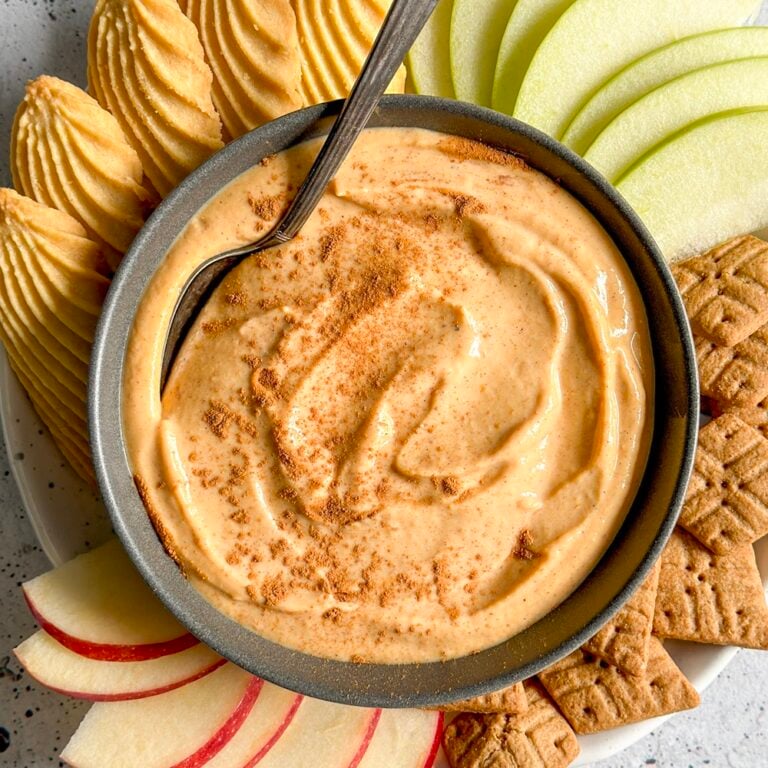
You can start setting the stage for better sleep early in the day by incorporating foods proven to improve sleep quality. They aren’t miracle workers, but even a serving or two a day can make a small impact.
- Kiwi contains serotonin, antioxidants, and small amounts of melatonin, which can improve sleep quality, sleep duration, and time to fall asleep.
- Tart cherries and tart cherry juice are among the most studied foods for sleep. They also contain melatonin and can specifically improve total sleep time.
- Fatty fish like salmon, mackerel, and sardines provide omega-3 fatty acids and vitamin D, nutrients that may support serotonin production and healthy sleep regulation. I try to eat a few cans of tinned fish a few times a week. Sardine toast and rice bowls are my favorite way to get it in.
- Almonds contain magnesium, which plays an important role in sleep regulation and muscle relaxation. They also provide small amounts of melatonin, making them a nutritious bedtime snack option.
Alternatively, Avoid These Foods
Just as some foods can improve sleep quality, others can sabotage it. (The last one always gets me.)
- Caffeine: Coffee, energy drinks, soda, and even some teas can stay in your system for hours, making it harder to fall asleep and stay asleep.
- Alcohol: While alcohol may make you feel sleepy at first, it often disrupts sleep later in the night and sabotages REM sleep.
- Sugary foods: Candy, desserts, and other sugary treats can cause blood sugar spikes and crashes that may lead to restless sleep.
- Spicy foods: Spicy meals can trigger heartburn and digestive discomfort, making it more difficult to fall asleep comfortably.
- High-fat foods: Fried foods, fast food, and heavy meals take longer to digest and may interfere with deep, restorative sleep.
- Large meals before bed: Eating a big meal too close to bedtime can cause indigestion, bloating, and acid reflux that may keep you awake.
Alcohol and caffeine can significantly disrupt REM sleep, the stage of sleep responsible for physical recovery, hormone balance, and metabolic health. I’ve seen the effects firsthand in my own weight-loss journey. When I’m not sleeping well, losing weight becomes nearly impossible, and I often gain weight despite doing everything else “right.”
Move More Throughout The Day

Regular physical activity can be one of the most effective ways to improve sleep quality, help reduce stress, support your natural sleep-wake cycle, and can help you fall asleep faster at night. You don’t need intense workouts to see benefits. Simple activities like walking, gardening, taking the stairs, or stretching can all help. I always sleep better on days when I move more.
Take A Hot Bath Before Bed
A warm bath 1–2 hours before bed can help your body prepare for sleep. As your body cools afterward, it mimics the natural drop in core temperature that occurs before sleep, which may help you fall asleep faster. I find this works best when I take my bath right before bed, especially when I add Epsom salt.
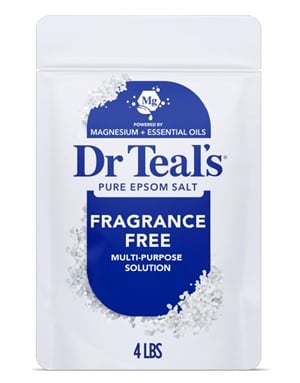
Epsom Salt Magnesium Soak
Combined with a warm bath, Epsom Salt Magnesium Soak promotes relaxation, eases muscle tension, and creates a calming bedtime ritual that helps your body unwind and prepare for a more restful night’s sleep.
How To Stop Racing Thoughts
Racing thoughts can keep your brain alert when it should be winding down. Journaling, meditation, or deep breathing before bed can calm an overactive mind, as can low-stimulation, mindless activities such as knitting or drawing. Reading a physical book can be a calming bedtime ritual that shifts your focus away from racing thoughts. Even just a few chapters can help you relax and fall asleep quicker.
No Screen Time Before Bed
Phones, tablets, and televisions emit blue light that can interfere with melatonin production, the hormone that helps regulate sleep. Additionally, exposure to upsetting/stimulating content right before bed can keep your mind active and alert, making it harder to relax, quiet racing thoughts, and fall asleep peacefully.
Read A Book Instead
Reading a book before bed can help calm your mind and shift your focus away from daily stress. It also creates a relaxing bedtime routine that signals to your body that it’s time to sleep. Try to choose a book that’s not overly exciting, or this may have the opposite effect.
Best Temperature For Sleep
Most sleep experts recommend keeping your bedroom cool, which helps support your body’s natural temperature regulation and can encourage deeper, more restful sleep. What you wear matters, too. Cozy pajamas may feel great for lounging around the house, but they can leave you overheated at night. I prefer a thin, snug tank top that keeps me cool but still provides enough coverage in case one of the kids wanders in.
Is Sleeping With Pets Bad?

While many people enjoy sleeping with pets, animals can unintentionally disrupt sleep through movement, noise, or changes in sleeping position. It wasn’t until I read this in a magazine that I realized how many times our dog woke us up each night. I realize this is easier said than done. Our cat Charlie literally sleeps ON top of me – ha!
How To Lower Cortisol (and why you should)
Often called the “stress hormone,” cortisol can interfere with restorative REM sleep when levels are too high. Unfortunately, poor sleep can also raise cortisol, creating a frustrating cycle. I was diagnosed with elevated cortisol levels years ago and was given this supplement from my naturopath. It’s not a cure-all, but it does help both my sleep and mood.
Supplements For Better Sleep
As much as I try to avoid taking more pills, getting better sleep is one area where I feel sometimes we just need a little extra help. These are a few that I’ve personally found beneficial.
- Magnesium Glycinate is known for its calming effect on the nervous system and is one of my favorite sleep supplements. I take magnesium glycinate about an hour before bed, and it helps me relax and unwind at the end of the day. I use this product.
- Melatonin helps regulate your body’s natural sleep-wake cycle. I’ve found that a low dose works best and helps signal to my body that it’s time to settle down for the night. Honestly, this doesn’t do much for me, but it helps millions of others (including my husband), so it deserves a spot on the list.
- L-Theanine promotes relaxation without causing grogginess. My naturopath calls this “nature’s Xanax”, and he is not wrong. This is what I use. If I’m having a particularly stressful day, I take it at lunch and dinner.
That’s it, friends. I hope these tips for falling asleep faster (and staying asleep) help you. If you have any tips you’d like to share, please leave them in the comments below!
Always consult a healthcare professional before starting new supplements, especially if you take medications or have underlying health conditions.