11 Simple Steps For How To Stop Food Waste
If you feel like you’re constantly throwing food away, you’re not alone. Food waste may cost you more than you realize and sabotage your financial goals. Every time you throw food away, you’re throwing money in the trash. Today I’m sharing easy strategies to reduce waste and save money.
I haven’t gone grocery shopping in eight days. Except for spending $15 (ish) on fast-moving essentials like coffee, half-and-half, and eggs, I challenged myself to cook straight from my kitchen. It saved me a week’s worth of groceries and used up food that may have gone bad.
Groceries make up 10 to 15 percent of a household budget, and the average family spends $12,000 to $20,000 a year. Implementing the tips in this post could easily save you thousands.

I often discuss how to stop food waste on Instagram stories. I’m incredibly passionate about this topic, partly because of how I was raised and partly because I hate wasting money. The bottom line is that throwing food away is throwing money away.
My father was incredibly strict about wasting food. We had to finish our plates before we could leave the table. When we resisted, he reminded us that many kids had no food. I realize that seems extreme, but he wasn’t wrong. As a parent, I tried to instill the same values in my children, although I approached it more gently.
When it comes to our monthly budget, reducing food waste is one of the most practical ways to cut costs. But you have to have the right mindset. Without that, you’ll feel defeated from the start. These are easy, practical strategies to reduce waste that we practice in our own home.
How To Stop Food Waste
Admittedly, I’m a bit neurotic about wasting food. I will eat the same thing for days, eat weird things, and even eat things I don’t enjoy – just to avoid throwing them away. I don’t expect anyone to be as crazy as I am, but you have to get out of the “I can’t eat leftovers” mindset and just do it. Of course, there will still be times when you have to throw food away, and that’s OK, but implementing just a few of these tips will help reduce food waste and save you money!
Freeze It
- I was well into my 40s before I learned that freezing food was the best thing ever! If you can’t eat perishable food before it goes bad, freezing it is your next best option. Most leftovers freeze well. Leftover taco meat? Freeze it. Have a bag of fresh spinach or kale you need to use? Throw the whole bag in the freezer. They work beautifully in smoothies and soups.
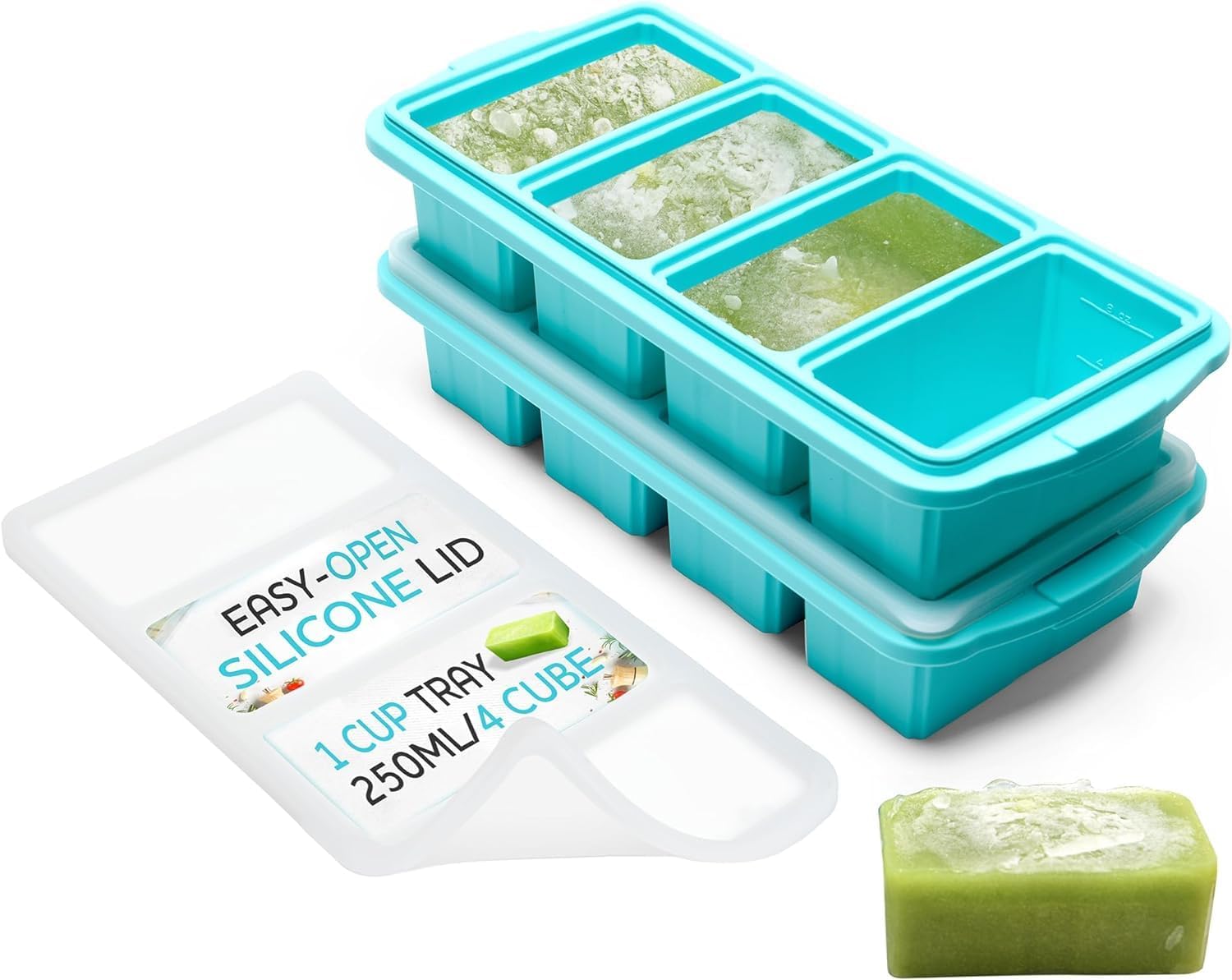
My Favorite Freezer Containers
I love these silicone freezer containers for freezing food. They’re durable, stackable, and dishwasher-safe. They have multiple sizes, including both single and meal-size containers!
Give it Away
- Even though my kids are grown adults, they still happily take all the food I’m willing to give them, lol. Neighbors, coworkers, friends, and family will always be happy to receive home-cooked food. My husband takes food to work all the time, and his coworkers love it!
Cook It
- Of all my tips for reducing food waste, this is the one I use most, and I just did it yesterday. I had a package of mirepoix that needed to be cooked before it went bad, so I threw it in a pan with olive oil and let it sauté for a few minutes, and that’s it. All you have to do is cook it, which gives you a few more days to use it. Keep the seasonings simple, or skip them altogether. That way, you can use it in any dish.
Repurpose It
- For example, you can repurpose leftover chili into a completely new meal. Leftover chili makes delicious taco salads, nachos, or chili mac. Leftover pot roast can become tacos, pizza, or rice bowls. There are dozens of ways to transform leftovers into something completely new and delicious!
Eat It
- The most obvious way to avoid food waste is to eat it. I roll my eyes when people say I can’t eat chili three days in a row. Yes, you can. Be a grown-up and eat the chili so you don’t waste food that you paid for. If you’re sick of it, freeze it for a low-effort meal later. Chili reheats beautifully.
Eat Less
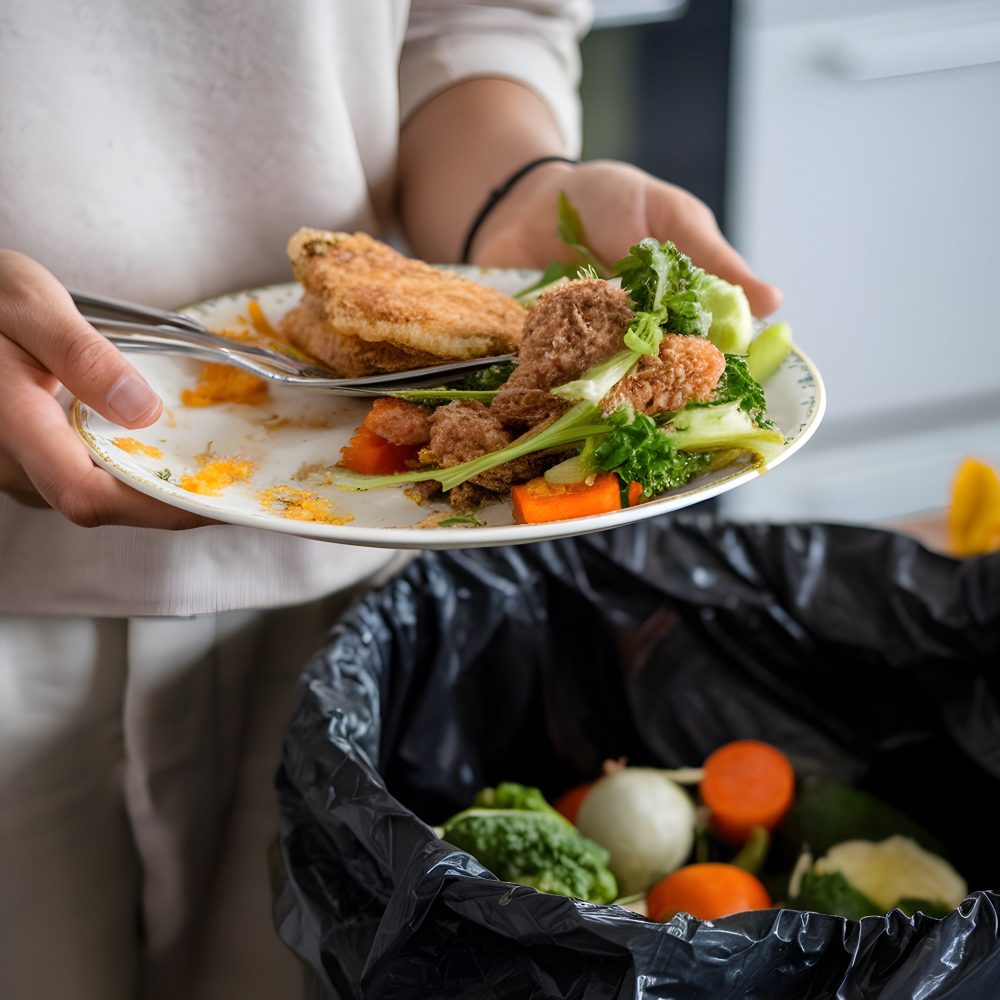
- The amount of food shown in the picture above could have been lunch the next day. You may think it’s an exaggeration, but I was a server for years, and it accurately represents how much food people leave on their plates. Start with less food on your plate, and get more if you’re still hungry.
Buy Less
- When I was younger, I bought too much food. This was before I had experience running a household, feeding a family, and learning about money. When you buy too much food, you often can’t eat it all, and most of it winds up in the trash. These days, we all have 24/7 access to local grocery stores, Amazon, and multiple grocery delivery services. You can always buy more food.
Get Organized
- It’s nearly impossible to stop food waste in an unorganized kitchen. An organized pantry, refrigerator, and freezer will help you track what you have and what needs to be used. When you buy too much, things get disorganized, lost in the back of the pantry, refrigerator, and freezer – and forgotten. There’s a balance between having a well-stocked kitchen and having too much. This is especially true for items in your refrigerator, which have a much shorter shelf life than those in your pantry and freezer.
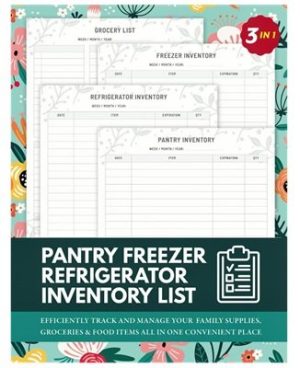
Kitchen Inventory List
A simple Pantry + Perishables Inventory List, like the one, makes tracking groceries, food items, quantities, and expiration dates easy. Stay organized and minimize waste!
Buy Frozen
- When I talk about ways to save money on food, this is a tip I’ve given repeatedly, mainly because my uncle was the produce manager at Publix his whole career and drilled this into our heads lol. Frozen produce comes ready to go, with no prep involved. You can use what you want and return the rest to the freezer. It’s also more nutritious. Unlike fresh produce, which is often weeks old before it hits the shelves at your grocery store, frozen produce is picked at peak ripeness and frozen within hours, making it more nutritious.
Have A Plan
- Have you ever come home from grocery shopping with a ton of food and still can’t put together cohesive meals? Having a plan, even a loose one, will prevent that from happening. You may want to check out my post on meal planning on a budget. I like to buy ingredients that can be used in several different meals. This is also a great way to use everything and help prevent waste. For example, I may have frittata, burritos, and rice bowls on the menu this week. I can buy cheese and veggies that work in all three dishes.
Save Scraps
- I’ve got one more tip for stopping food waste, and it is something my daughter taught me. Keep a large baggie in your freezer to throw produce scraps in. Whether it’s half of an onion, a few sad-looking carrots, or wilted herbs, add it to the bag. When the bag is full, dump the contents into a large pot, cover it with water, and make vegetable stock. So clever and so healthy!
⭐️ I hope this post has given you some helpful tips for how to stop food waste. If you have any suggestions, please comment below. Have a great day, friends!