10 Tips For Saving Money On Food To Stretch Your Grocery Budget
Groceries are more expensive than ever, and saving money on food has become increasingly more difficult. We’ve covered many strategies for reducing your grocery bill over the years, but in this post, I’m sharing effective tips to stretch your grocery budget, reduce food waste, and keep perfectly good food (and money) out of the trash.
Of course, sales and meal planning matter, but they’re only part of the equation. Sometimes the biggest savings come from using what you already have, finding creative ways to repurpose leftovers, packing lunches, and keeping your kitchen organized. These simple habits can make a dramatic difference in your grocery budget.
For more ways to save, it’s never too late to start the 52-week money savings challenge, read my top 5 tips for saving money, and meal plan on a budget.
My OG’s may remember that before I rebranded to Plain Everything, my blog was all about saving money. I rebranded because I wanted to talk about more of the things I love, like cooking and Disney, but saving money is where my passion lies, and there’s always a subtle nod to that in nearly every article I write on the blog.
Did you know that the average American family wastes over $3,000 a month on food? That’s insane, and even worse, that’s an average. Most families waste far more than that, especially if they aren’t prioritizing saving on food. One of my best friends refuses to eat leftovers and throws them away. It makes me cringe to think about how much of her hard-earned money she wastes.
But it goes deeper than that. If you’re throwing away thousands of dollars of food, naturally you’re buying more to make up for it. If you’re not grocery shopping strategically, you’re spending thousands more than you need to. When you look at your monthly budget, food should be at the top of the list, right after set household expenses like your mortgage and insurance. You can save a lot.
Saving On Food
When it comes to saving on food, we’ve discussed how to shop on a budget, how prepping ingredients saves time and money, and which foods are the least expensive. But how do you save money on groceries at home? Let’s dive in.
No Spend Challenge
- To save money on groceries immediately, challenge yourself to use what you’ve got. I actually do this about three times a year. It’s easy to forget about things in the back of the pantry or freezer. Challenging yourself to cook from what you’ve got is a great way to save on groceries. When I do this, I still buy the things we use every day, like eggs, coffee, and cream, but I make a conscious effort to make meals and snacks with what I already have.
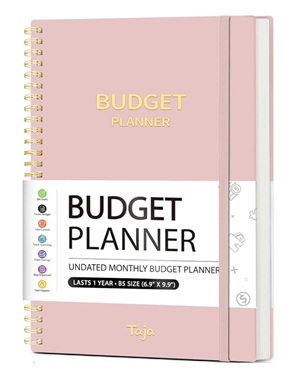
Monthly Budget Planner
This comprehensive planner allows you to plan and track your income, expenses, savings, and financial goals in one convenient place! It has several sections and stickers to personalize it to your needs.
Use It Up
- Saving on food and preventing waste go hand in hand. Throwing food away is throwing money away. Use or freeze things before they go bad. Plan meals around what you already have, focusing on items that need to be used first. For example, as I write this, I have an avocado and some tomatoes that need to be used, so I’ll make a quick batch of guacamole and plan dinner around what pairs well with it.
Get Organized
- Organize your entire kitchen. Note what you already have so you can use it right away. Knowing what you have prevents duplicate purchases and gives you a starting point for meal planning. An organized kitchen also saves time and sanity!
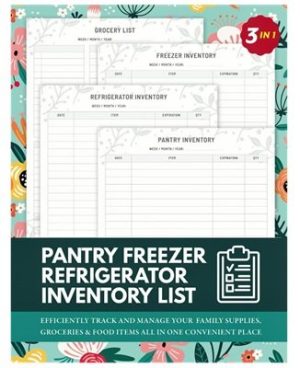
Kitchen Inventory Book
Implement a “first in, first out” system. Place them behind the older ones so you use them up first. A simple Pantry + Perishables Inventory List, like the one below, makes this easy and keeps inventory simple!
Bring Food With You
- We’re all guilty of this, including myself. A “quick trip to the store” turns into four different stops, and now you or your kids are hangry. Bring snacks! No one is going to starve to death, but having a few snacks with you will satisfy everyone until you get home. I can’t tell you how many times I have found myself in this position and then been mad at myself for spending the money. Use whatever you already have to make portable snack bags and save money. Nuts, cereal, dried fruit like raisins, or whatever cookies or crackers you have on hand!
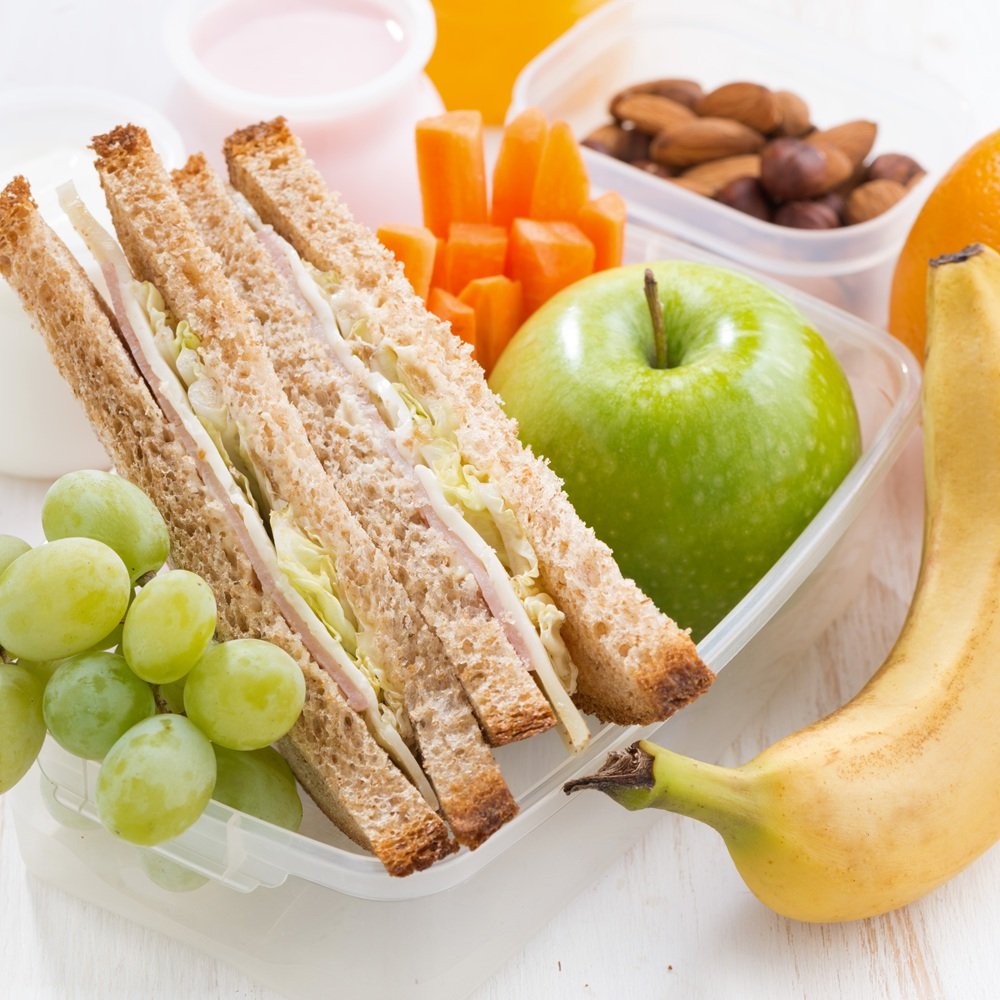
Pack Your Lunch
- One of the easiest ways to save on groceries is to bring your lunch and pack leftovers first. It helps prevent food waste, and it’s healthier. My husband prefers home-cooked lunches!
Pro tip: Store leftovers in lunch containers right away so they’re ready to go all week. That way, on a busy morning, lunch is one less thing to worry about.
Repurpose Leftovers
- Eating up those leftovers prevents food waste, period! If leftovers aren’t your thing, try repurposing them. Turn chili into taco salads; meat and vegetables can be topped with cheese, and mashed potatoes can be used for a riff on shepherd’s pie; spaghetti can be made into a crispy spaghetti pie – you get the idea. A quick Google search will help you turn those leftovers into a whole new dish your family will love!
Saving On Food Requires Creativity
- Let’s say chicken parmesan is on your list this week and calls for mozzarella cheese, but you don’t have any. You can use literally any cheese. With a bit of creativity, ingredients can be swapped, and you may even wind up with something you like better. Recipes are guides, not rules. Don’t be afraid to work with what you’ve got, and make it your own!
Start Food Prepping
- This is simply having ingredients ready to go. Make it a priority. I posted my simple ingredient-prepping process here. Statistically, over 40% of families order takeout because they’re tired and don’t feel like cooking. If you have some things already prepped and ready, you can have dinner done in 20 minutes – and save that money.
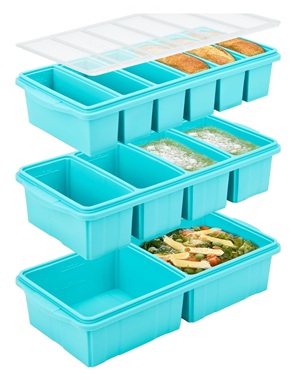
Silicone Freezer Container
My favorite food-prep containers are linked here. They’re affordable, durable, and safe for the dishwasher, freezer, and oven. I use the half-cup portion size most. It’s the perfect amount to grab a quick rice bowl for a one-person meal!
Cook More For Later
- Making larger batches of freezer-friendly meals saves time and money. If you’re making chili, make a triple batch and freeze some. You can also batch-cook parts of a meal you’re already making. For example, if you’re making shredded chicken for tacos, make extra and freeze some for another meal. There is no right or wrong way. Do whatever works for you! My go-tos are baked rice (a fan favorite on the blog), breakfast sandwiches, and gluten-free sausage balls.
Say Yes To Water
- We can’t talk about saving on food costs without acknowledging the small expenditures that add up, such as soda and energy drinks. Frankly, these things should be a treat, not an everyday thing – IF you’re trying to save money on food. I know many people dislike water, but hear me out. My husband was buying energy drinks almost every day. He doesn’t dislike water, but it had become a habit. Once I showed him the monthly cost, he was shocked and went back to drinking water (most of the time).
I hope this post has provided helpful ideas for saving on food. If you have any suggestions, please share them in the comments below!